FN Top News|杰克逊公开就特朗普时期的裁决向保守派同僚表达不满
Justice Ketanji Brown Jackson accused the Supreme Court this week of using unexplained emergency orders to hand President Donald Trump wins, warning the practice risks eroding public trust in the judiciary.
In a Yale Law School speech made public Wednesday, Jackson, a Biden appointee and frequent dissenter on emergency rulings, repeatedly called the Supreme Courts use of the emergency docket "problematic" and argued the conservative majority's decisions were sometimes "utterly irrational."
The emergency docket, sometimes known as the interim or "shadow" docket, allows litigants to bypass typical court proceedings and seek immediate relief from the Supreme Court in the face of restraining orders and injunctions in the lower courts.
"Given the real world facts that a stay request asks the court to consider, the court's stay decisions can, at times, come across utterly irrational," Jackson said. "We cannot expect the public to have faith in our judicial system if, without clear explanation, we consistently greenlight harmful acts."
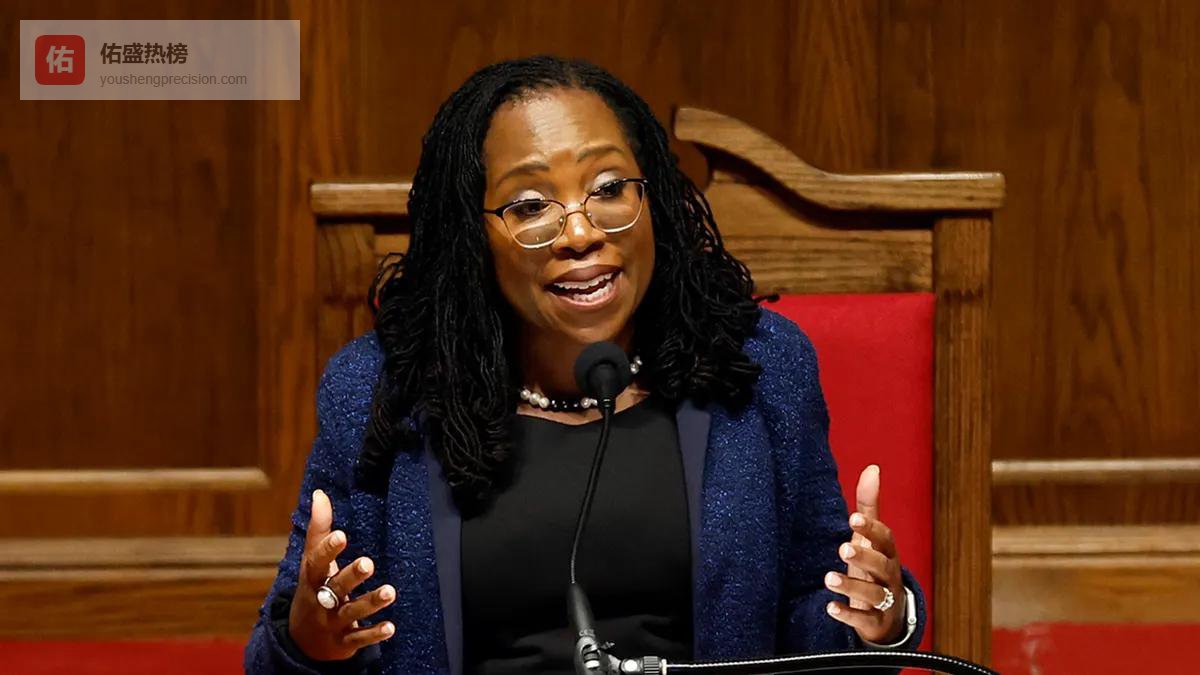
Supreme Court Justice Ketanji Brown Jackson, the first Black woman on the nation's highest court, speaks at the 60th Commemoration of the 16th Street Baptist Church bombing on Sept.15, 2023, in Birmingham, Alabama. (Butch Dill/Pool/Getty Images)
Jackson emphasized she was not seeking to "praise" or "bury" the emergency docket, but she warned its current use is straying from its historical role, which she said used to be more limited.
"There is a serious concern that the Supreme Court's modern stay practices are having an enormously disruptive and potentially corrosive effect on the functioning of the federal judiciary's usual decision-making process," Jackson, who did not cite Trump by name during her remarks, said.
Jackson also argued the concept of equal justice was being cast aside because "savvy parties" knew how to bypass the lengthy court process and apply for emergency stays at the Supreme Court, unlike average people caught up in legal proceedings.
"If we are not careful, the emergency docket can and will become an end-run around the standard review process, a special avenue that certain privileged litigants can utilize selectively," Jackson said.
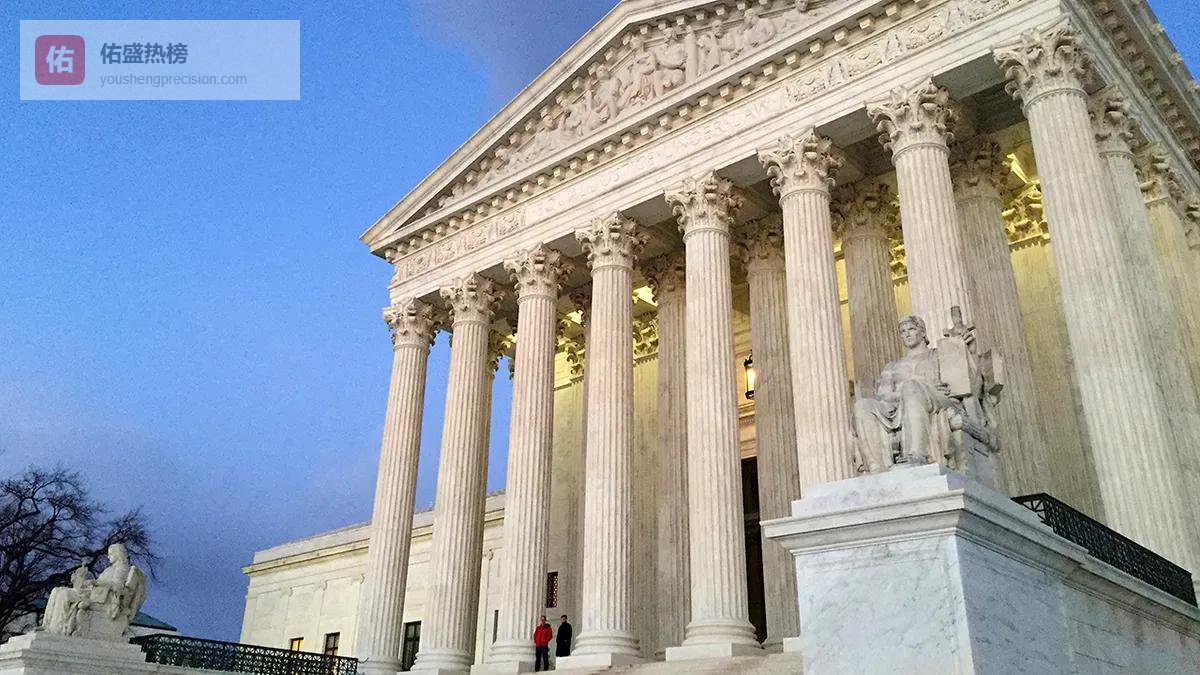
The Supreme Court building is seen in Washington, D.C. (AP/Jon Elswick)
Jackson contended that the modern-day use of the emergency docket "disrespects" lower court judges, allowing the high court to "routinely interfere with lower court cases," a remark that comes as the Trump administration routinely blasts what it has described as "rogue" district court judges who have stymied the president's agenda.
"A one-line stay grant that overturns a lower court's contrary conclusion suggests that the judgment call was so easy that no deliberation or explanation is required, and that suggestion casts aspersions on the tedious work that our colleagues have done," Jackson said.
The Trump administration has faced hundreds of lawsuits and adverse rulings in the lower courts . While the Department of Justices solicitor generals office often does not elevate cases to the Supreme Court for emergency consideration, when it does, it has won most of the time.

John Sauer, then- special assistant attorney general at the Louisiana Department of Justice, speaks during a hearing. (Al Drago/Bloomberg)
Through the emergency docket, the Supreme Court has greenlit Trump's mass firings and curtailed nationwide injunctions. The high court has cleared the way for deportations and immigration stops sometimes criticized as controversial. The justices have also found that the government can, for now, discharge transgender service members from the military.
But Trump has not won out all the time. The justices required the administration to give more notice to alleged illegal immigrants being deported under the Alien Enemies Act and agreed with a lower court that the president improperly federalized the National Guard as part of his immigration crackdown in Chicago .
In August, Jackson lashed out at the Supreme Court majority for "lawmaking" from the bench in a dissent to an emergency decision to temporarily allow the National Institutes of Healths cancellation of about $738 million in grant money.
"This is Calvinball jurisprudence with a twist. Calvinball has only one rule: There are no fixed rules. We seem to have two: that one, and this Administration always wins," Jackson wrote at the time.
Fox News Digital reached out to the White House and Supreme Court's public affairs team for comment on Thursday.
大法官凯坦吉·布朗·杰克逊本周指责最高法院通过未加解释的紧急命令为前总统唐纳德·特朗普谋取胜诉,并警告称这种做法可能削弱公众对司法体系的信任。
拜登任命的最高法院大法官杰克逊在耶鲁法学院周三公开的演讲中,多次批评最高法院使用紧急案件日程的做法"存在问题",并指出保守派多数派的裁决有时"完全不合理"。杰克逊在紧急裁决中经常持异议立场。
紧急案件清单(又称临时或“影子”清单)允许诉讼当事人在下级法院颁布限制令或禁令时,绕过常规诉讼程序,直接向最高法院寻求紧急救济。
杰克逊表示:"鉴于暂缓执行申请要求法院考量的现实情况,法院的暂缓裁决有时会显得完全不合逻辑。如果我们始终在没有明确解释的情况下,为有害行为开绿灯,就无法指望公众对我们的司法体系保持信心。"
杰克逊强调,她并非试图"赞扬"或"否定"紧急案件清单制度,但警告称当前的使用方式已偏离其历史角色。她指出,该制度过去的作用范围原本更为有限。
杰克逊大法官在发言中表示(虽未直接提及特朗普之名),人们严重担忧最高法院现行的暂缓执行惯例,正在对联邦司法系统常规决策程序的运行造成极大干扰,甚至可能产生侵蚀性影响。
杰克逊还指出,平等司法的理念正被抛弃,因为与陷入法律程序的普通人不同,"精明的诉讼方"知道如何绕过漫长的法庭程序,直接向最高法院申请紧急中止令。
杰克逊表示:“若不加以警惕,紧急案件清单可能且必将成为规避标准审查程序的捷径,成为某些特权诉讼当事人可选择性利用的特殊渠道。”
杰克逊(Jackson)指出,当今对紧急案件日程的使用是对下级法院法官的"不尊重",使得最高法院能够"频繁干预下级法院案件"。这一言论发表之际,特朗普政府正频繁抨击其所谓的"恣意妄为"的地区法院法官,这些法官阻碍了总统的议程推进。
杰克逊表示:"仅用一行文字就推翻了下级法院的相反裁决,这样的暂缓执行令意味着该判决如此简单,甚至无需经过深思熟虑或给出解释。而这种暗示,无疑是对同事们辛勤工作的诋毁。"
特朗普政府曾在联邦下级法院面临数百起诉讼和不利判决。虽然司法部总检察长办公室通常不会将案件提交至最高法院进行紧急审理,但一旦提交,胜诉率往往较高。
通过紧急案件审理程序,最高法院批准了特朗普的大规模解雇令,并限制了全国范围的禁令。高等法院为驱逐出境和移民拦截扫清了道路,这些举措有时被批评为具有争议性。大法官们还裁定,政府目前可以开除军队中的跨性别服役人员。
但特朗普并非总是胜诉。法官们要求政府根据《敌对外侨法》对拟驱逐的涉嫌非法移民给予更充分的通知,并认同下级法院的裁决——总统在芝加哥移民打击行动中将国民警卫队联邦化的做法不当。
8月,杰克逊大法官在一份异议意见中猛烈抨击最高法院多数派在紧急裁决中"越权立法",该裁决暂时允许美国国立卫生研究院取消约7.38亿美元的拨款。
杰克逊当时写道:"这是带点变形的卡尔文球判例法。卡尔文球只有一条规则:没有固定规则。而我们似乎有两条:一是那条规则,二是本届政府总能赢。"
福克斯新闻数字频道于周四联系了白宫和最高法院的公共事务团队以寻求评论。