The Guardian Top News|鲁达库巴纳、风险与父母的责任
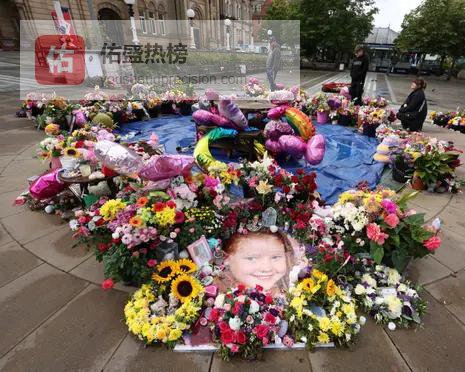
A photo of Elsie Dot Stancombe among the flowers and tributes for the three girls who were killed by Axel Rudakubana. Photograph: Paul Currie/PA
Readers respond to an article by Gaby Hinsliff in which she questions whether the Southport killers parents share responsibility for his crime
I read Gaby Hinsliffs article regarding the culpability of Axel Rudakubanas parents with a sinking heart ( Are Axel Rudakubanas parents responsible for his terrible crime? Its a question many families will fear to answer, 17 April ).
Im no apologist for the parents, but Im a lawyer working in the field of mental health and frequently appear before the court of protection in complex cases where we try to balance the need to protect and respect people with complex mental health needs and balance their rights against the rights of the public. Its not an easy task and the reality is that there isnt much scope, nor appetite, for taking people into custody who have not yet, and may never, commit a crime.
The narrative that the parents should have done more to let the authorities know about their son and that the authorities could then have done something is purely magical thinking.
You can certainly section patients who pose a risk to themselves or others if there is a bed available (there often isnt), and in the case of very high-risk or violent patients the capacity is even more restricted in terms of beds in specialist units.
Once there, you can basically tranquillise patients into being manageable. But that is not a long-term solution. Once that patient is calm, they are very likely to be discharged, so that the space is available for someone else who is not calm. Where do they go next? Back into the community. Do they usually comply with their medication regime once out? Nope. So the revolving door keeps turning and the patient and their family and the public have just kicked the can down the road.
We need to start having some much more honest conversations about how this issue is to be dealt with, what options the taxpayer can and will fund, how much capacity we want to have in the system, and what were going to pay the staff who care for these patients. Thats before we tackle the knotty question of where were going to draw the line between quite rightly anticipating and preventing harm and the rights of patients with complex mental health needs. A question that can never be answered correctly every time.
To blame the parents is to take the easy and lazy solution, and that will do nothing to keep children like Alice da Silva Aguiar, Bebe King and Elsie Dot Stancombe safe. So, lets have a conversation about this. We need to. But please lets look at solutions and acknowledge the complexity of the problems these cases represent. Name and address supplied
Gaby Hinsliffs thoughtful and compassionate article points out the seldom discussed subject of parents intimidated and threatened by their own children, who often have either mental health issues or rare neurodivergent tendencies making them dangerous. It is all too human to try to turn a blind eye when faced with either surrendering your child to the criminal justice system or seeing them fester and probably become more violent in our underfunded mental health facilities, where they would be unlikely to get any meaningful help. Yes, ideally the parents should have done more, but there but for the grace of God go many parents. Jane Ghosh Bristol
Whats missing in the discussion of parental culpability is the concept of support. Rudakubanas parents, like many others, seem to have believed that the only role of social workers is to remove children. If we had a system, fully funded and with appropriate training, that aimed to support parents through all the complex decisions they have to make, parents might find it easier to raise concerns and consider the consequences. In some countries, thats what social work is. Ruth Valentine London
读者对加比·欣斯利夫(Gaby Hinsliff)的一篇文章作出回应,她在文中质疑绍斯波特杀人犯的父母是否应为其罪行承担连带责任。
我怀着沉重的心情阅读了加比·欣斯利夫(Gaby Hinsliff)关于阿克塞尔·鲁达库巴纳(Axel Rudakubana)父母罪责的文章(《阿克塞尔·鲁达库巴纳的父母该为他的可怕罪行负责吗?这是许多家庭不敢回答的问题》,4月17日)。
我并非为这些父母开脱,但作为一名从事心理健康领域工作的律师,我经常在保护法庭处理复杂案件。在这些案件中,我们试图平衡对具有复杂心理健康需求人群的保护与尊重,同时权衡他们的权利与公众权益。这项任务并不轻松,现实情况是,对于那些尚未(或可能永远不会)犯罪的人,既缺乏充分的依据,也缺乏将其拘留的意愿。
那种认为父母本应更积极地向当局报告儿子情况、而当局就能采取相应措施的论调,纯粹是一种不切实际的幻想。
若床位允许(实际情况往往不足),确实可以对威胁自身或他人安全的患者实施强制收治;而对于极高风险或暴力倾向患者,专科病房的床位容量限制则更为严格。
到了那里,你基本上可以通过镇静药物让患者变得可控。但这并非长久之计。一旦患者平静下来,他们很可能会被出院,以便为其他情绪不稳定的患者腾出空间。接下来他们会去哪里?回归社区。出院后他们通常会遵守用药方案吗?不会。于是这种‘旋转门’现象不断循环,患者及其家人乃至公众只是在把问题往后拖延。
我们必须开始更坦诚地讨论以下问题:如何应对这一议题、纳税人能够且愿意承担哪些费用、我们希望系统内保留多少资源容量,以及如何支付照料这些患者的医护人员薪酬。而在此前,还需解决一个棘手难题——如何在合理预判和防范伤害,与满足复杂心理健康需求患者的权利之间划清界限。这是一个永远无法每次都给出正确答案的难题。
将责任归咎于父母是一种简单而懒惰的解决方式,这无助于保护像**爱丽丝·达席尔瓦·阿吉亚尔**、**贝比·金**和**埃尔茜·多特·斯坦科姆**这样的孩子。因此,我们需要就此展开讨论。我们必须这样做。但请让我们共同寻求解决方案,并认识到这些案件背后问题的复杂性。署名及地址附上
加比·欣斯利夫(Gaby Hinsliff)这篇深思熟虑且充满同理心的文章,揭示了一个鲜少被讨论的话题:父母因子女的威胁与恐吓而陷入困境。这些子女往往存在心理健康问题或罕见的神经多样性倾向,导致其具有危险性。当面临将孩子移交刑事司法系统,或是眼睁睁看着他们在资金匮乏的心理健康机构中恶化甚至可能变得更加暴力(这些机构几乎无法提供有效帮助)时,人们本能地选择回避这一残酷现实。诚然,父母本应做得更多,但若非上天眷顾,许多家庭都可能陷入这般境地。——简·高什(Jane Ghosh)于布里斯托
当前关于父母责任的讨论中缺失了支持这一概念。鲁达库巴纳(Rudakubana)的父母和许多人一样,似乎认为社会工作者的唯一职责就是带走孩子。如果我们能建立一个资金充足、培训得当的体系,旨在帮助父母应对他们必须做出的所有复杂决定,父母们或许会更愿意提出顾虑并考虑后果。在一些国家,这正是社会工作的意义所在。——露丝·瓦伦丁(Ruth Valentine) 伦敦